How to choose between air and sea freight
Choosing how to move your goods is one of the first decisions in any shipment, and it affects the cost, the delivery time and the way your cargo is handled. Here is a simple way to compare air, sea and land freight.
Choosing how to move your goods is one of the first decisions in any shipment, and it affects the cost, the delivery time and the way your cargo is handled. The three main options are air, sea and land freight, and each one fits a different situation.
Air freight is the fastest option over long distances. It suits urgent, light, high-value or time-sensitive goods such as spare parts, samples and documents. The price per kilo is usually higher, and carriers normally charge by the greater of the actual weight and the volumetric weight, so a light but bulky parcel can cost more than you expect.
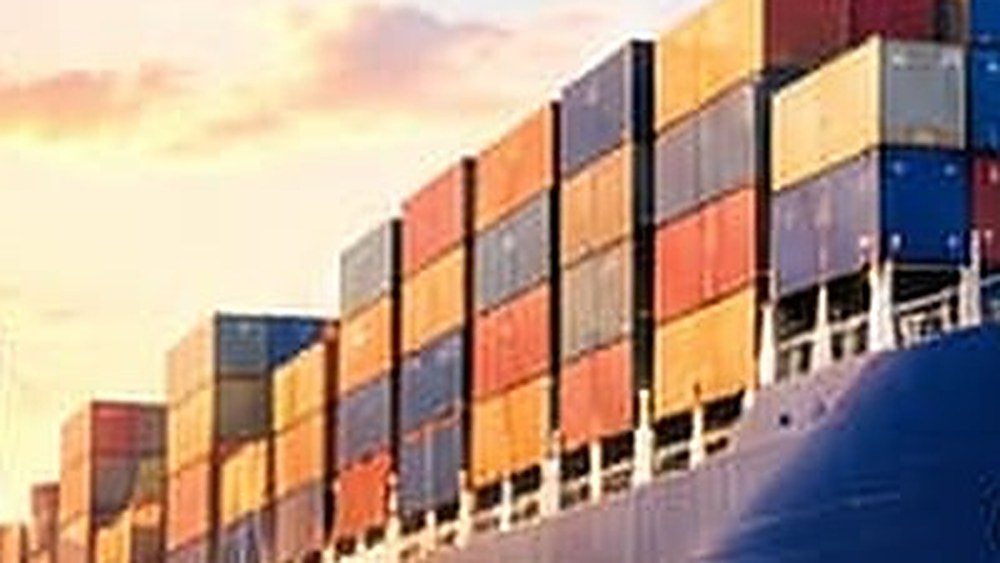
Sea freight is usually the most economical choice for large volumes and heavy goods. Cargo travels in containers: either a full container for one shipper (FCL) or a shared container with other shippers' goods (LCL). Transit takes longer and depends on ports, sailing schedules and weather, so plan ahead and allow time for loading and unloading at both ends.
Land freight by truck moves goods inside a country or between neighbouring countries, and it often completes the journey from the port or the airport to the final door. It is flexible and can offer door-to-door delivery, but distance and border procedures affect the time and the cost.
How to decide. Compare four things: how soon you need the goods, the weight and the volume, the value and the fragility of the cargo, and your budget. Many shipments combine more than one mode, for example sea freight to the port and a truck for the last stretch.
Tell us the origin, the destination and the details of your shipment through the quote form, and we will suggest suitable options. Times and prices depend on the route, the carrier and the season, so they are confirmed in the quote.
This article is general information about shipping. Always follow the instructions of the carrier and the customs authority for your specific goods.